
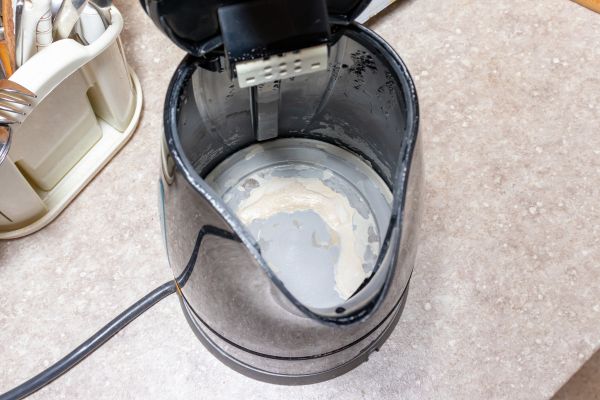
Living in Adelaide has many advantages, but the local water supply can slowly affect household appliances.
Adelaide is known for having harder water than many Australian cities. Hard water contains higher levels of minerals such as calcium and magnesium. The water is safe to drink, but these minerals can build up inside appliances that heat or circulate water.
Over time, this buildup forms what many people recognise as limescale.
Technicians servicing homes across Adelaide and nearby suburbs such as Blackwood, Reynella, and Flagstaff Hill often see dishwashers, washing machines, and coffee machines wear out earlier than expected because of mineral buildup.
In many cases, the appliance itself is still well-made. The problem is that it has not been maintained for local water conditions.
Table of Contents
Why Limescale Causes Problems
Appliances that heat water rely on heating elements to raise the temperature quickly.
When minerals collect on the heating element, they form a thin layer of scale. This layer acts like a barrier between the metal element and the water.
As a result:
- The heating element runs hotter than normal
- Water takes longer to heat
- The appliance runs longer cycles
The appliance still works, but it uses more electricity to do the same job.
In homes around Adelaide and nearby areas such as Aberfoyle Park or Happy Valley, technicians often see dishwashers running longer cycles, washing machines reheating water repeatedly, and coffee machines struggling to maintain stable temperatures.
Why This Happens So Often in Adelaide
The mineral content of Adelaide’s water supply is one reason this issue appears so frequently.
Water hardness refers to the amount of calcium and magnesium dissolved in the water. In many Adelaide homes, the levels are higher than in cities such as Melbourne.
When hard water is heated, these minerals form small crystals that stick to heating elements, pipes, pumps, and valves inside appliances.
This buildup usually happens slowly, so many homeowners do not notice it until the appliance begins to lose efficiency.
From a technician’s perspective, mineral buildup from hard water is one of the most common environmental causes of appliance performance problems in Adelaide homes.
The Appliances Most Affected
Some appliances are more sensitive to mineral buildup than others.
Dishwashers
Common signs of scale inside a dishwasher include:
- White residue on glasses or plates
- A chalky film on the interior
- Dishes looking dull after a wash
- Longer wash cycles
If the dishwasher finishes a cycle but the water never seems properly hot, mineral buildup may already be affecting the heating element.
Why does a dishwasher leave white residue on dishes?
One common reason is minerals in the water drying onto dishes during the rinse cycle. Over time, these minerals can also collect inside the dishwasher on heating elements, spray arms, and internal pipes.
If your dishwasher is leaving marks or struggling to clean dishes properly, our guide on how to clean a dishwasher drain explains how blocked filters or drainage issues can affect washing performance.
Washing Machines
Mineral deposits can build up behind the drum and around heating components.
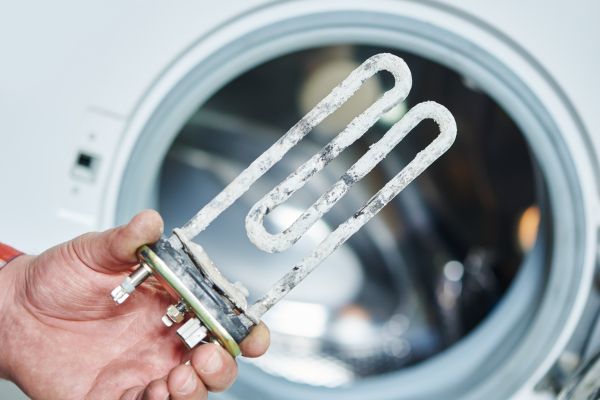
This may lead to:
- Reduced heating performance
- Stiff rubber door seals
- Increased strain on internal bearings
Can limescale build up inside a washing machine?
Yes. Minerals from hard water can collect behind the drum and inside hoses. Many people first notice small white deposits in the drum or around the door seal.
If your washing machine is also struggling to heat water correctly, our article on common washing machine problems explains several issues that can affect washing performance.
Coffee Machines
Coffee machines are particularly sensitive to scale because they use narrow pipes and precise heating systems.
Common signs include:
- Slower water flow
- Longer heating times
- Reduced brewing pressure
Even small mineral deposits can affect how the machine performs.
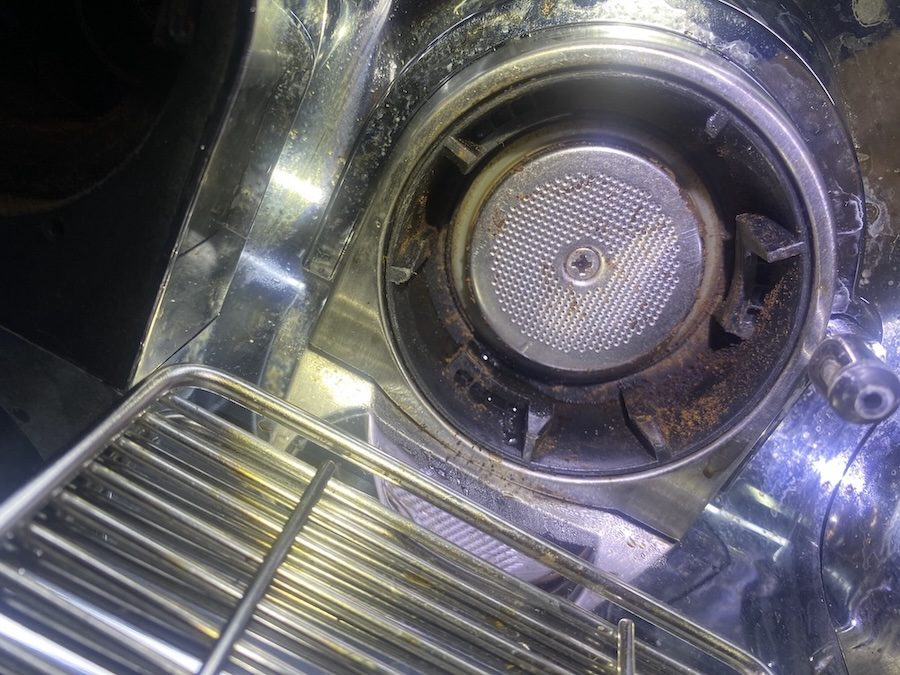
If your machine has started producing weak coffee or the water flow has slowed, scale buildup may be affecting internal components. Our guide on how to descale a coffee machine explains how mineral buildup can affect brewing pressure and water flow.
Simple Maintenance That Helps
Small maintenance habits can greatly reduce the impact of hard water.
Run a Descaling Cycle
Running a descaling cycle about once a month can help dissolve early mineral deposits.
Many homeowners use white vinegar or a manufacturer-approved descaling product. After cleaning, it is best to run a rinse cycle to flush the appliance.
Use Dishwasher Salt
Many European dishwashers include a built in water softening system.
This system works properly only when the salt reservoir remains filled and the hardness setting matches local conditions.
During service visits around Adelaide it is common to find this compartment empty.
Avoid Unnecessary High Temperatures
Scale forms faster at higher temperatures.
For everyday loads, eco cycles or temperatures around 40 to 50 degrees can help slow mineral buildup.
When Home Descaling Is Not Enough?
Sometimes mineral deposits have already hardened inside the appliance.
Signs that professional servicing may be needed include:
- Rumbling or popping sounds during heating
- Heating taking longer than normal
- Repeated error codes related to water or heating
- Ongoing performance problems after cleaning
At this stage the buildup may need to be removed from internal components.
Professional Appliance Descaling in Adelaide
Quality Appliance Repairs provides general service and descale work for appliances affected by mineral buildup.
This service may include:
- Internal descaling where appropriate
- Inspection of heating elements and seals
- Performance testing after servicing
Addressing mineral buildup early can help restore efficiency and reduce the risk of further damage.
If your appliance is starting to struggle with heating or water flow, it may be worth having it inspected before the issue becomes worse.
Frequently Asked Questions
Is hard water harmful to appliances?
Hard water contains minerals such as calcium and magnesium. When water is heated, these minerals can settle inside appliances and form limescale. Over time, this buildup may reduce efficiency and affect components that rely on heat or steady water flow.
How often should appliances be descaled?
In many homes, running a descaling cycle about once a month helps remove early mineral deposits. Appliances used frequently, such as coffee machines and dishwashers, may need more regular cleaning to keep heating systems and water pathways working properly.
Does dishwasher salt help in hard water areas?
Yes. Dishwasher salt supports the appliance’s built-in water softening system. Reducing mineral content before the water enters the wash cycle, it helps prevent residue on dishes and limits scale forming on spray arms, valves, and heating components.
Can hard water shorten appliance lifespan?
Mineral deposits can gradually collect inside pumps, seals, and heating systems. As these parts work harder to operate normally, wear may increase over time. Regular cleaning and descaling help maintain performance and reduce the chance of premature appliance failure.
Why do appliances develop limescale in Adelaide?
Adelaide’s water supply naturally contains higher mineral levels than many Australian cities. When this mineral-rich water is heated inside appliances, deposits can slowly form on internal surfaces, particularly in heating systems and narrow water channels.