
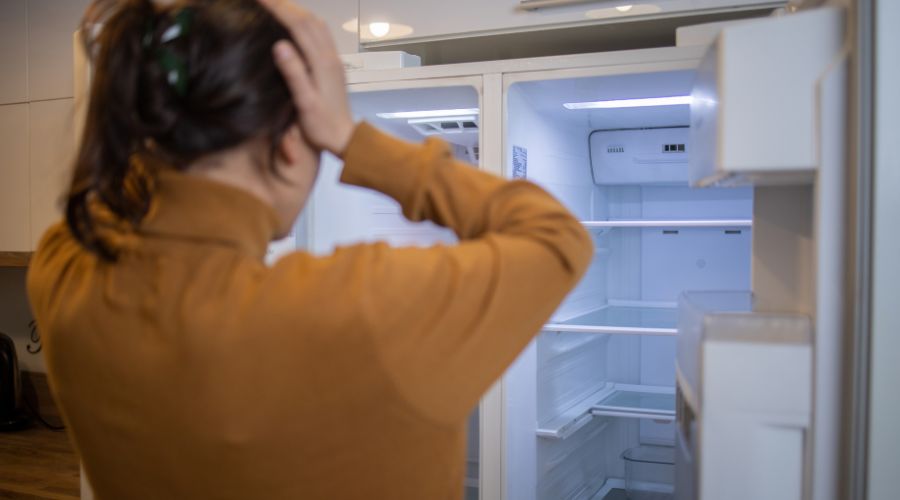
A freezer is one of those appliances you don’t think about much. Until it stops doing its job properly.
When it’s working as it should, food stays preserved and everything runs in the background without issue. Once the temperature starts rising, you’ll notice it quickly. Food softens, ice begins to melt, and the unit may run longer or sound different than usual.
In many cases, this does not happen all at once. It usually starts small. Slightly softer food. A bit of frost in the wrong place. Longer running times.
If you’re in Australia, it’s worth acting early. Leaving the issue too long can turn a minor fault into a more involved repair. Before checking anything, switch the appliance off and disconnect it from power where safe.
Table of Contents
Why Is My Freezer Running But Not Freezing? 4 Quick Checks
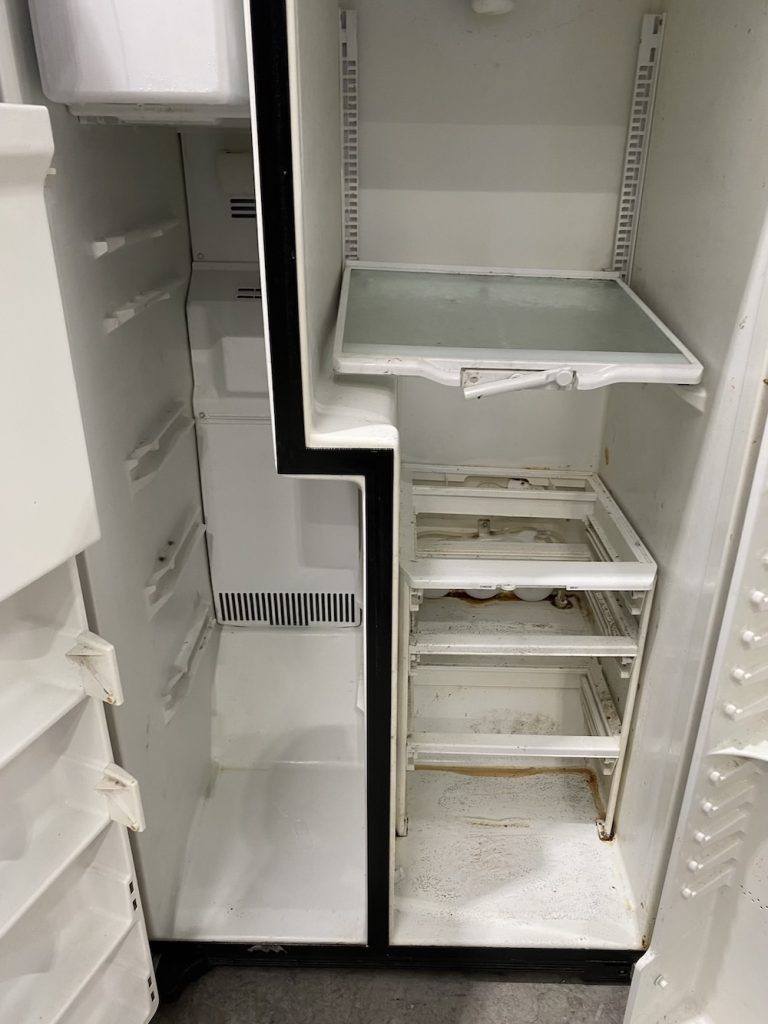
Before assuming something major has failed, start with the basics. You would be surprised how often the issue sits here.
- Power supply
Check the outlet, plug, and cord. This is always one of the first things we confirm on-site. - Temperature setting
Freezers should generally be set to around -18°C. Incorrect settings can affect performance straight away. - Door seal
If the seal is not tight, warm air gets in. Over time, that reduces cooling efficiency. - Airflow inside the unit
Overpacking or blocked vents can stop cold air from circulating properly.
If all of these check out and the freezer is still not freezing properly, the issue is usually internal.
How Local Conditions in Australia Can Affect Freezer Performance
Freezer performance can also be influenced by environmental conditions across different parts of Australia.
- In Adelaide, higher temperatures can place additional strain on cooling systems.
- In Brisbane, humidity can contribute to moisture buildup and frost-related issues.
- In Sydney, coastal conditions may gradually affect components over time.
- In Perth, extended heat can increase compressor workload.
- In Canberra, seasonal temperature changes can impact consistency.
These factors are often considered during diagnosis to ensure the root cause is properly identified.
Common Causes of a Freezer Not Freezing Properly
While most freezers operate using similar cooling systems, certain faults tend to appear more frequently in specific brands. For example, defrost system issues are often seen in older Kelvinator models, airflow restrictions in Samsung French-door units, and sensor-related faults in LG and Fisher & Paykel appliances.
Dirty Condenser Coils
This is one of the more common issues we see, especially in homes with pets.
The coils release heat. When they are covered in dust or debris, the system cannot dissipate heat properly. Cooling performance drops as a result.
Evaporator Fan Issues
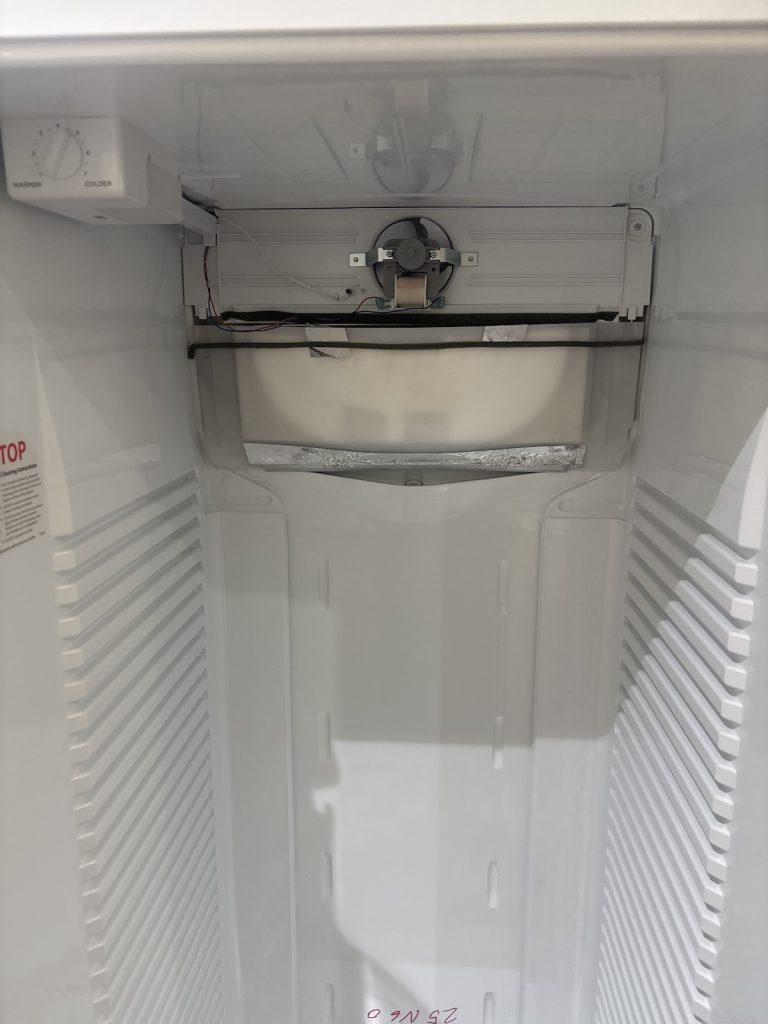
The evaporator fan moves cold air through the freezer.
If it stops working, airflow becomes uneven or stops completely. You may notice certain areas are not freezing properly.
Thermostat or Sensor Faults
The thermostat controls when the system turns on and off.
When it fails, the freezer may struggle to reach the desired temperature or may run inconsistently. This is not always obvious at first, but it affects performance over time.
Frost Buildup or Defrost System Problems
Heavy frost on the back panel usually points to a deeper issue.
In many service calls, this is linked to a fault in the defrost system. The frost blocks airflow, which then affects cooling.
Compressor or Start Relay Problems
The compressor is the core of the cooling system.
If it is not starting properly or is struggling to run, the freezer will not maintain temperature.
Less Common but More Complex Faults
Some faults are not visible and require proper testing.
These include:
- Refrigerant leaks
- Control board failures
- Internal flow restrictions
Modern freezers often use refrigerants such as R600a, which require licensed handling and specialised equipment to repair safely.
Freezer Error Codes and What They Indicate
Modern freezers often display error codes when something is not working as it should.
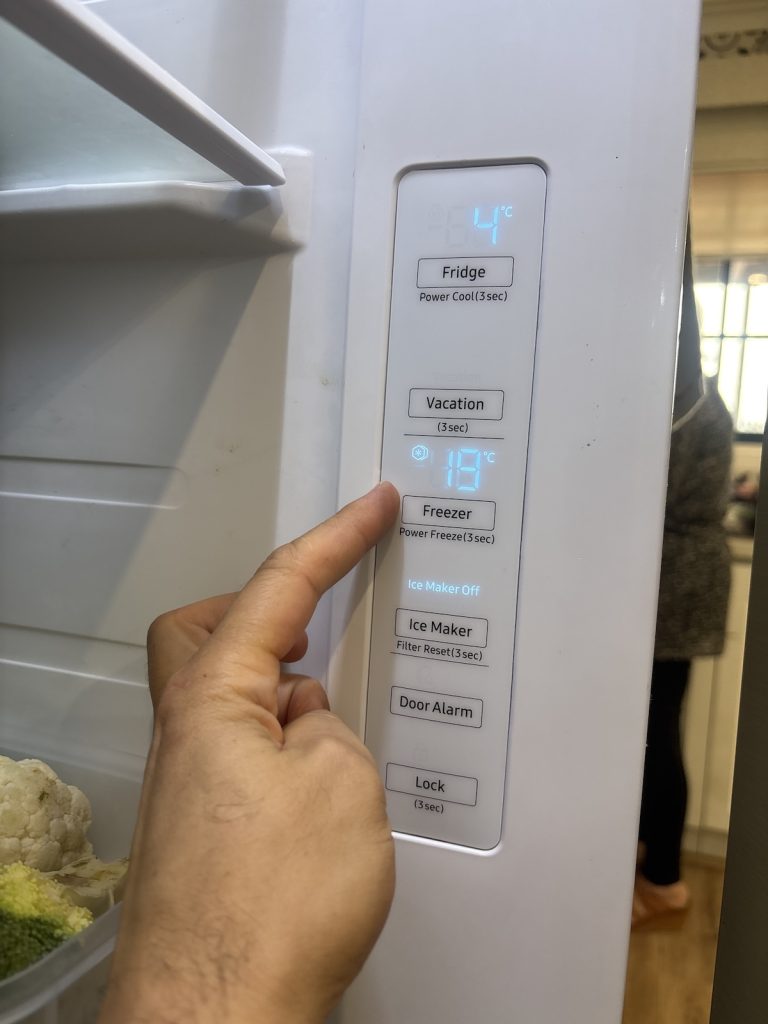
Many users search these codes directly when cooling problems start.
These codes usually relate to:
- Temperature sensors
- Airflow or fan faults
- Defrost system issues
For example:
- Samsung units may indicate sensor faults
- LG models often point to airflow issues
- Fisher & Paykel systems may show cooling-related errors
These do not automatically mean replacement is required. Many are still linked to repairable faults.
Is It Worth Repairing a Freezer That Isn’t Freezing?
In most cases, yes.
Around 90% of freezer faults can be repaired when diagnosed correctly. Most problems relate to individual components rather than complete system failure.
Repair is often the better option when:
- The appliance is still structurally sound
- Parts can be sourced
- The repair cost is lower than replacement
A proper diagnostic approach is key. Licensed technicians assess the fault before recommending any major decision.
If your freezer is showing a fault code, you can read our guide on freezer error codes and what they mean to better understand what the issue may indicate before arranging a repair.
When It’s Time to Bring in a Technician
There comes a point where a proper inspection makes sense.
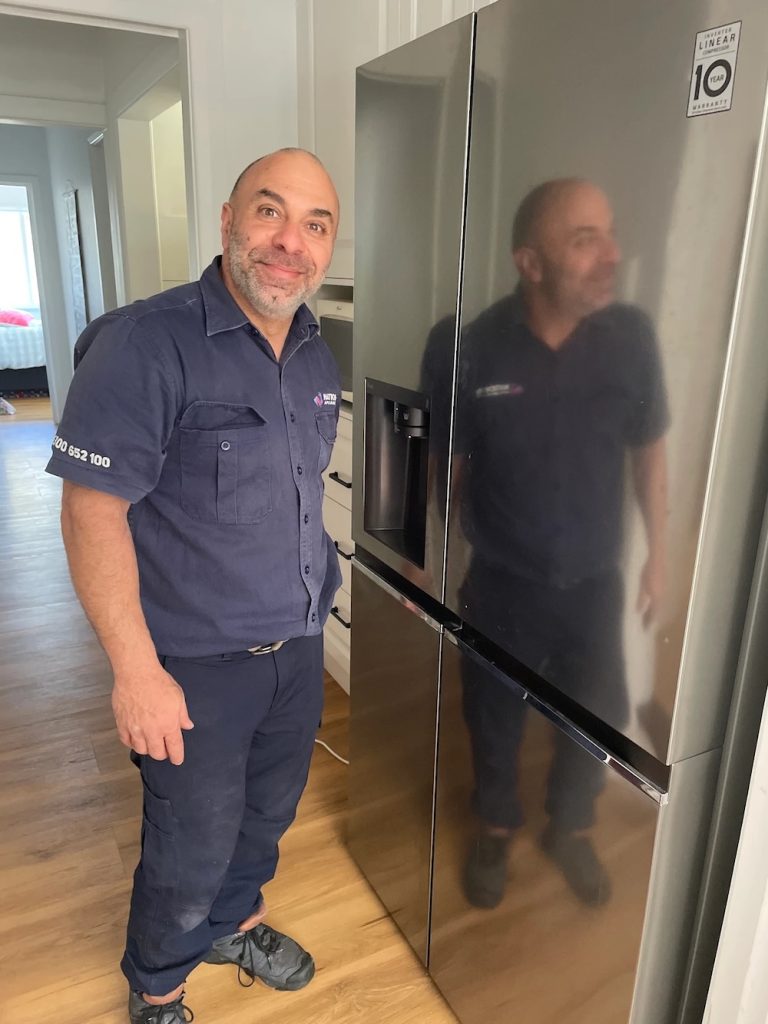
This usually applies when:
- The freezer is running but not reaching temperature
- The same issue keeps returning
- Frost buildup reappears
- Error codes continue to show
Repairs should be carried out by trained, licensed technicians with the right tools and experience.
Technicians carry commonly used high-turnover parts, allowing many issues to be resolved on the first visit, subject to availability. If a part needs to be ordered, the return visit is arranged without an additional call-out fee.
👉 Book a freezer repair service or check technician availability in your area.
Ongoing Maintenance Tips
A bit of regular maintenance can prevent many of these issues.
- Clean condenser coils every 6 to 12 months
- Avoid overpacking
- Check door seals regularly
- Allow space for ventilation
- Defrost when required
Frequently Asked Questions
Why is my freezer running but not freezing?
This usually points to airflow issues, sensor faults, or problems within the defrost system. The unit may still run, but it cannot maintain the correct temperature.
Can a freezer stop freezing but still work?
Yes. Many freezers continue running even when the cooling performance drops. This often indicates a component fault rather than a complete system failure.
Is it better to repair or replace a freezer?
In most cases, repair is the better option, especially when the issue involves individual components. Replacement is usually only considered when repair costs exceed the value of the appliance.
Final Thoughts
When a freezer stops freezing properly, it is usually an early-stage issue rather than a complete failure.
What starts as a minor fault can often be resolved quickly when diagnosed early. Left too long, it can place additional strain on the system and lead to more complex repairs.
If you have noticed temperature changes, unusual operation, or recurring frost buildup, it is worth having the appliance assessed before the problem develops further.
With the right diagnosis, most freezers can be restored to reliable performance without the need for replacement.