
Solid dishwasher maintenance is the quiet secret behind sparkling plates and a machine that keeps running long after lazier habits would have killed it. It is easy to take the appliance for granted. You load it, press start, and expect clean dishes every time.
Then one day the glasses come out cloudy, the bottom fills with murky water, or a sour smell drifts out when you open the door. Almost always, these problems trace back to skipped upkeep rather than a genuine breakdown.
A dishwasher works in a harsh environment of grease, food scraps, and hard water, and without a little regular care it slowly clogs and struggles. The reassuring part is that keeping one healthy takes only minutes here and there. Here is a practical checklist to keep yours in top shape and your dishes properly clean.
Table of Contents
Clean the Filter, the Part Everyone Forgets
The filter at the base catches food scraps so they do not recirculate onto your dishes. Left alone, it clogs, and suddenly everything comes out gritty, streaked, or smelling faintly of old food. Most people never think to check it, which is exactly why it causes so many complaints.
Pull it out, rinse it under the tap, and scrub away any trapped debris every week or two, more often if you rarely scrape plates first. This one small task is the backbone of good dishwasher maintenance and fixes more cloudy-glass complaints than any expensive additive on the shelf.
Make it a routine and the rest of your dishwasher maintenance gets easier too, because a clean filter keeps gunk from spreading to the pump and spray arms in the first place. No other single dishwasher maintenance task delivers more for so little effort.
Keep the Drain Flowing Freely
When water pools at the bottom after a cycle, a blocked drain is usually to blame. Grease, food particles, and general gunk build up over time and choke the flow, leaving dirty water sitting where clean dishes should be. It is one of the more common faults, and often one of the easiest to prevent.
A step-by-step guide on how to clean dishwasher drain walks you through clearing it safely, and if the water still will not move, a piece on how to unclog a dishwasher covers the deeper causes worth checking.
A clear drain is the difference between a quick rinse and a flooded kitchen floor, so it belongs on every dishwasher maintenance checklist. Catching a slow drain early, before it becomes a full blockage, saves both mess and money, and it keeps this bit of dishwasher maintenance to a two-minute job.
Load It the Way It Was Designed
Cramming in one more bowl feels efficient, but overloading blocks the spray arms and leaves half the load dirty. Water needs clear paths to reach every surface, and a jammed rack simply shadows dishes from the spray. Tall items leaning over the jets are a common culprit, as are bowls nested so tightly that water never reaches inside them.
Space items so water reaches every surface, keep tall pieces from blocking the jets, and face soiled sides toward the centre where the spray is strongest. Good loading is free, instant, and one of the most underrated parts of dishwasher maintenance.
It also spares the motor and pump from working harder than they need to, which quietly extends the life of the whole machine. A well-loaded dishwasher cleans better and lasts longer, all from a habit that costs nothing. Sensible loading is dishwasher maintenance you do every time you use the machine, without even thinking of it as upkeep.
Watch the Racks and Seals
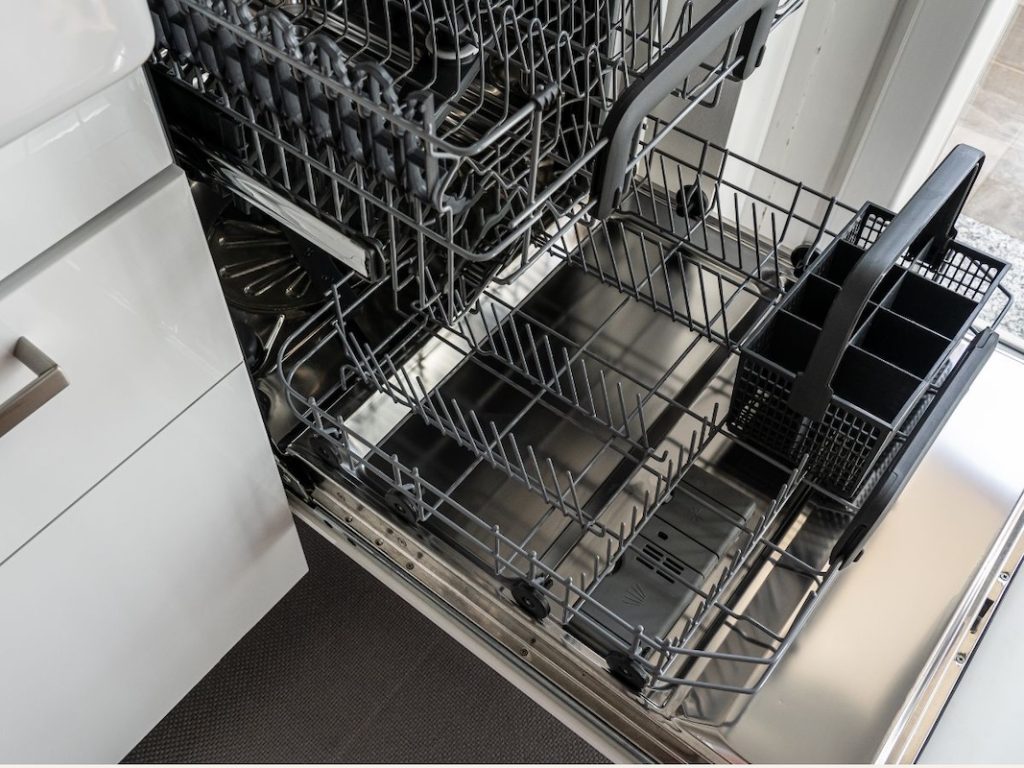
The racks take a beating over the years, and rust on the coating can chip onto your dishes or damage them. A guide on how to repair dishwasher rack shows how to patch worn spots before they spread and before rust finds its way into the machine’s workings.
While you are in there, wipe the door seal too, since trapped food and moisture there are a common source of odours and slow leaks that creep up on you. Check the seal is intact and grips cleanly when the door shuts, because a perished seal lets water escape and warm air in.
These quiet checks are the kind of dishwasher maintenance that prevents the faults nobody sees coming, the ones that seem sudden but were actually building for months.
Run the Right Cycles and Products
Using too much detergent leaves a residue that clouds glassware, while using too little leaves grime behind. Match the cycle to the load rather than running everything on the longest, hottest setting, and use a rinse aid if your water is hard to help dishes dry clear.
An occasional hot maintenance wash, run empty with a dishwasher cleaner, clears the interior of grease and film that ordinary cycles leave behind.
Checking the Energy ratings of your model helps you pick efficient cycles, and folding this into your dishwasher maintenance keeps both bills and grime in check. General water efficiency guidance shows how the right settings save both water and power over time, so the greenest choice is often the most cost-effective one too.
Small changes in how you run the machine add up across hundreds of cycles a year, which is why smart cycle choices belong in any dishwasher maintenance routine.
Prevention Beats Repair
The whole point of dishwasher maintenance is to stay ahead of problems rather than react to them. Scrape plates before loading so less food reaches the filter, wipe the door and seal now and then, and run a cleaning cycle every month or so to keep the inside fresh.
None of it is difficult, and together these habits prevent the vast majority of the faults that send people searching for a repair. Preventive dishwasher maintenance is almost always more cost-effective and calmer than a call-out.
It also helps to act on early warning signs rather than ignoring them. A faint smell, a slightly cloudy glass, or water draining a touch slower than usual are all gentle nudges. The spray arms are worth a quick look now and then as well, since blocked jets are a common and easily fixed cause of poor cleaning.
Lift them out where you can, rinse them, and clear any holes clogged with debris, and you restore the machine’s reach in minutes. This kind of light, regular dishwasher maintenance keeps performance steady rather than letting it slide.
Treat them as prompts for a quick round of dishwasher maintenance and you will rarely face the bigger, messier problems that come from letting them slide.
When to Call a Technician
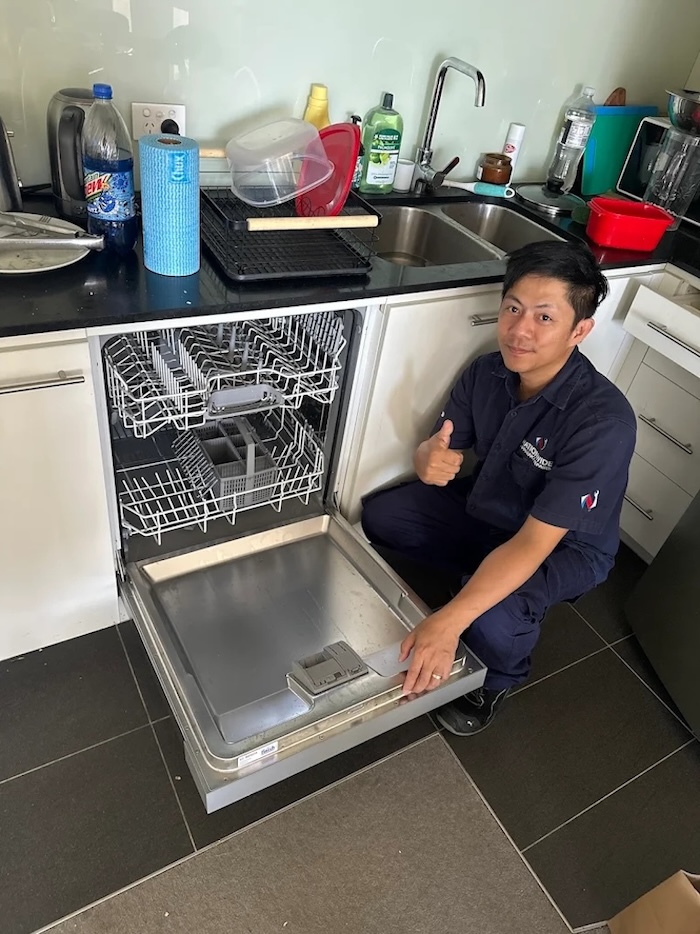
Some issues sit beyond any cleaning routine. Persistent leaks, a dead pump, electrical faults, or a door latch that will not seal are jobs for a professional. The fully licensed, in-house trained technicians at Quality Appliance Repairs work on both gas and electric appliances and can handle the internal repairs safely, sparing you a bigger mess and a longer downtime.
Their vans carry commonly used high-turnover parts so many faults are fixed on the first visit, and if a part must be ordered there is no second call-out fee. The team services homes across Australia, subject to availability.
As a rule, switch off the appliance at the wall and disconnect it before inspecting anything, and never keep running a machine that is clearly faulty, since that only turns one problem into two and can cost you more in the end.
Knowing when to stop and call for help is itself part of good dishwasher maintenance, and it is the cost-effective choice when a fault is beyond a simple clean. To check the rates first, click this link to view our prices on the central pricing page.
A well-kept dishwasher rewards you every day with clean, dry dishes and none of the drama that comes from neglect. Clear the filter, keep the drain flowing, load with care, and act on the first odd sign. Build those habits and dishwasher maintenance quietly pays you back in cleaner plates, lower bills, and a machine that simply keeps going.
Frequently Asked Questions (FAQs)
1. How Often Should I Clean the Filter?
Every week or two suits most households, more if you run heavy loads or scrape less before loading. A quick rinse under the tap is all it usually takes to keep dishes clear and stop gunk spreading to the pump.
2. Why Are My Dishes Coming Out Cloudy?
Cloudiness often comes from a clogged filter, hard water, or too much detergent. Cleaning the filter and adjusting your detergent and rinse aid usually clears it up. A monthly maintenance wash helps keep the interior film-free too.
3. What Causes Water to Sit at the Bottom?
Standing water almost always points to a blocked drain or filter. Clearing the debris usually solves it, but if the water still will not drain, a deeper fault may need a technician. Catching it early keeps a small clog from becoming a flood.
4. Can Overloading Damage the Machine?
Yes. Overloading blocks the spray arms, leaves dishes dirty, and strains the motor and pump over time. Leaving space for water to reach every surface protects both your dishes and the appliance, and it actually cleans better.
5. Why Does My Dishwasher Smell?
Trapped food in the filter, drain, or door seal is the usual cause. Regular cleaning of those areas plus an occasional hot maintenance wash keeps odours from building up. Leaving the door ajar between cycles also helps the interior dry out.