
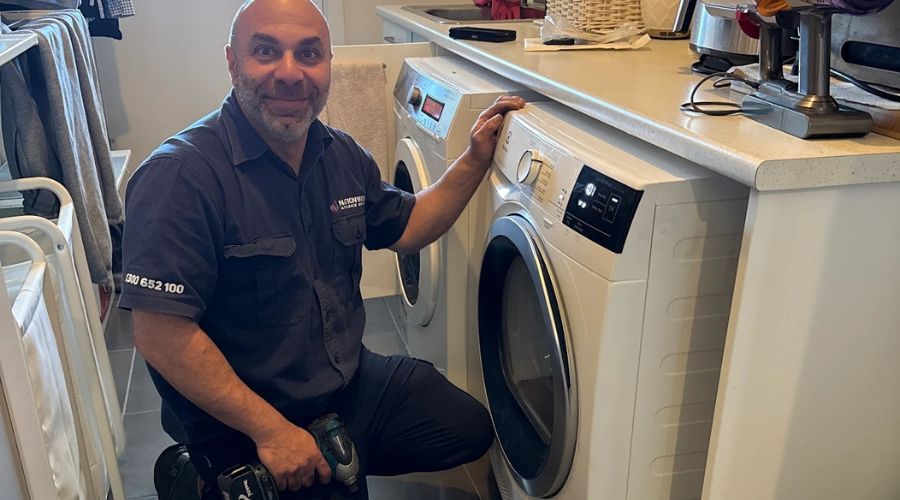
When a washing machine starts showing signs of failure, many households immediately consider replacement. However, replacement is not always the only option.
Across Australian homes, washing machines are often exposed to varying conditions such as heavy usage, mineral-rich water, and seasonal temperature changes. Over time, these factors can contribute to gradual wear rather than sudden system failure.
Washing machines are designed with multiple serviceable components, and with a structured diagnosis, many issues can be resolved without replacing the entire appliance.
Is It Worth Repairing a Washing Machine?
Repairing a washing machine is often the more practical option, particularly when:
- The fault is limited to a specific component
- The appliance is less than 8–10 years old
- The repair cost is significantly lower than replacement cost
A proper assessment helps determine whether repair or replacement is the better long-term decision.
Common Washing Machine Problems
Washing machine faults often begin with small performance changes before developing into more noticeable issues.
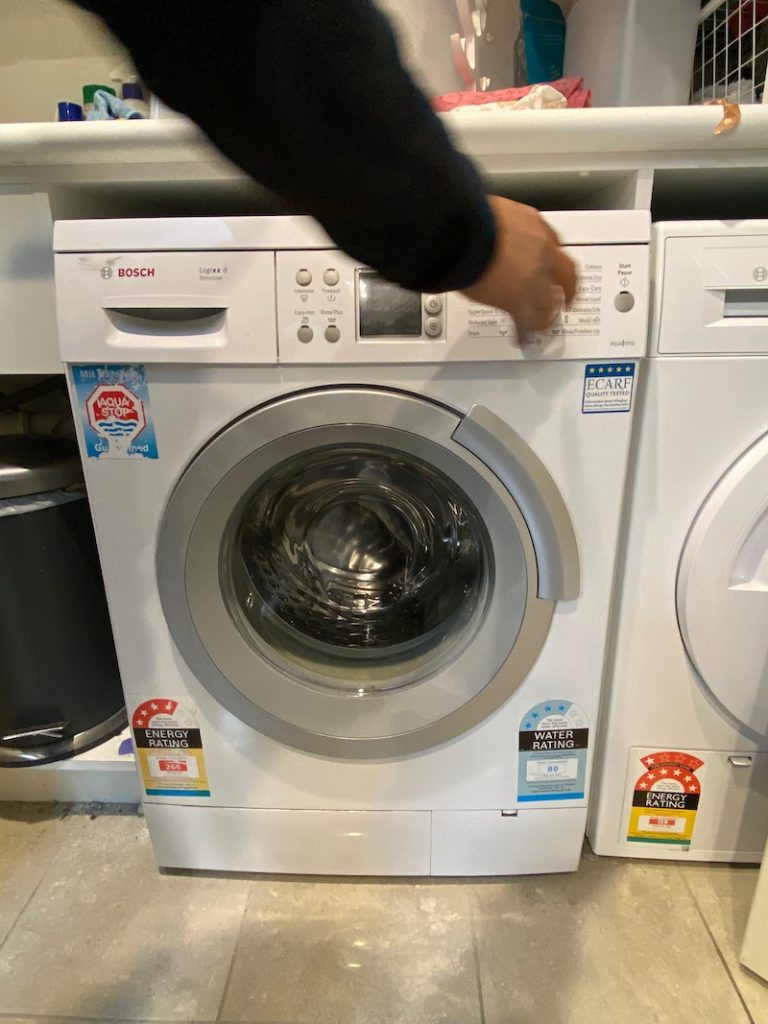
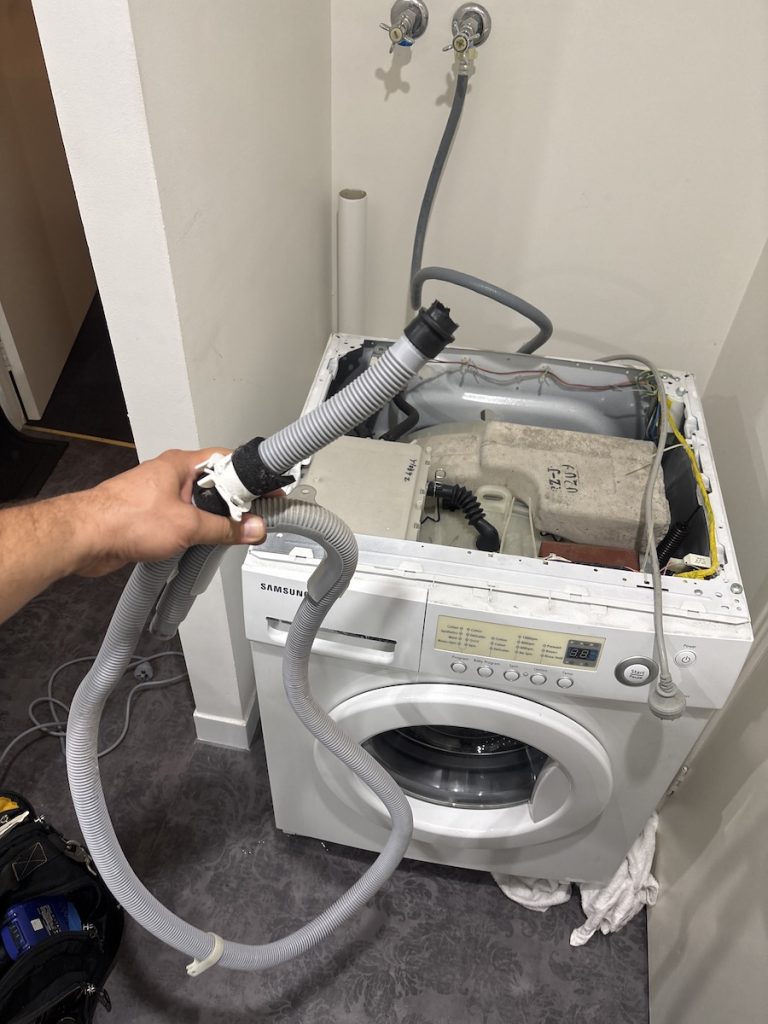
Some of the most common problems include:
- Water not draining properly, which can prevent cycles from completing
- Machine shaking or vibrating excessively during operation
- Unusual grinding or knocking noises while the drum is spinning
- Failure to spin or complete wash cycles
- Water leaking from the base or hoses
- Machine not filling with water as expected
These issues are often early indicators of underlying component wear or internal blockages rather than complete system failure.
If you’re experiencing water leaking from the unit, this is often linked to worn seals or hose damage and may worsen over time. You may also find it helpful to read our guide on why washing machines leak when not in use.
Why These Washing Machine Problems Occur
Washing machine issues usually develop due to gradual wear, usage patterns, or internal blockages rather than sudden failure.
For example:
- Drainage problems are commonly linked to blocked pumps or clogged filters
- Excessive movement is often caused by worn suspension components or uneven load distribution
- Unusual noises may indicate worn bearings, loose internal parts, or foreign objects inside the drum
- Water leaks are typically associated with damaged hoses or worn seals
- Water supply issues can result from faulty inlet valves or restricted flow
These faults tend to develop over time and are frequently linked to individual components rather than the appliance as a whole.
Can These Problems Be Repaired?
In most situations, yes.
Washing machine faults are usually linked to individual components rather than the core structure of the appliance. This allows repairs to restore functionality without requiring full replacement.
When addressed early, these issues are generally straightforward to resolve and do not involve major internal rebuilds.
Repair vs Replacement: Cost Perspective
Repairing a washing machine is typically more cost-effective than replacing it, especially when:
- Only one or two components require attention
- The appliance still has usable lifespan remaining
- The issue has not caused secondary damage
Replacement costs can increase quickly when factoring in:
- Delivery
- Installation
- Removal of the old unit
A general guideline is to compare the repair cost against the price of a replacement appliance. When repair costs remain well below the cost of a new machine, repair is usually the more practical option. As appliances age or if multiple components are affected, replacement may be considered more carefully.
For example, excessive vibration during operation is often linked to suspension wear rather than major system failure. You can explore this further in our guide on why washing machines shake or vibrate excessively.
Typical Washing Machine Repair Costs (Guide Only)
Repair costs vary depending on the type of fault, appliance model, and parts required. In Australia, most professional washing machine repairs fall within a general range.
As a guide:
- Minor repairs (e.g. blockages, simple parts): around $100 – $200
- Moderate repairs (e.g. pumps, valves, belts): around $150 – $350
- More complex repairs (e.g. suspension, electrical issues): around $250 – $450
In many situations, the total cost of a standard repair, including labour and service call, falls between $150 and $450, depending on the issue and appliance.
These figures are general estimates only. The exact cost depends on the make, model, and the nature of the fault, which is why a proper diagnosis is recommended before proceeding.
For a more detailed breakdown of pricing and what’s included, you can refer to our appliance repair pricing guide.
Repair vs Replacement: Quick Comparison
| Factor | Repair | Replacement |
| Cost | Lower for component faults | Higher upfront cost |
| Time | Usually quicker | Delivery and installation required |
| Lifespan | Can be extended | New lifecycle |
| Practicality | Suitable for most faults | Best for severe damage |
Is It Worth Getting a Technician to Check It First?
A professional inspection is usually worthwhile.
Identifying the exact cause of the issue helps avoid unnecessary replacement and ensures the correct repair approach is taken from the start. It also provides clarity on cost, condition, and whether repair is the most practical option.
When Replacement Might Be More Practical
There are situations where replacement may be considered:
- Extensive internal damage across multiple components
- Severe corrosion or long-term neglect
- Parts are no longer available and no suitable alternatives exist
- Repair cost approaches or exceeds replacement value
Even in these cases, the decision should be based on a clear comparison rather than an assumption.
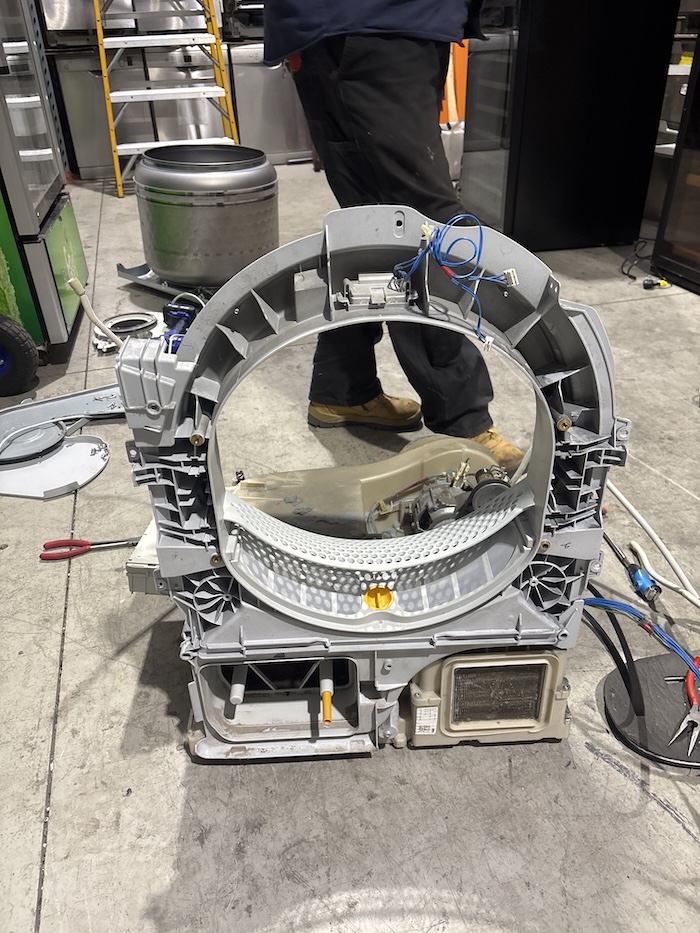
How a Proper Diagnosis Helps
A professional diagnosis focuses on:
- Identifying the root cause of the issue
- Assessing overall appliance condition
- Checking component wear and availability
- Determining whether repair is viable
This approach avoids unnecessary part replacement and reduces the risk of recurring faults.
Unusual noises during operation are often one of the earlier signs of internal wear or obstruction.
Do Washing Machine Brands Affect Repair Decisions?
Repair considerations can vary depending on the brand and build quality of the appliance.
Many washing machines from brands such as Samsung, LG, Bosch, Fisher & Paykel, and Miele are designed with replaceable components, making repair a practical option when faults occur.
Higher-end models are often more cost-effective to repair than replace due to their build quality and replacement cost.
How Quality Appliance Repairs Can Help
When a washing machine starts to show signs of failure, the most important step is identifying the underlying cause rather than assuming replacement is required.
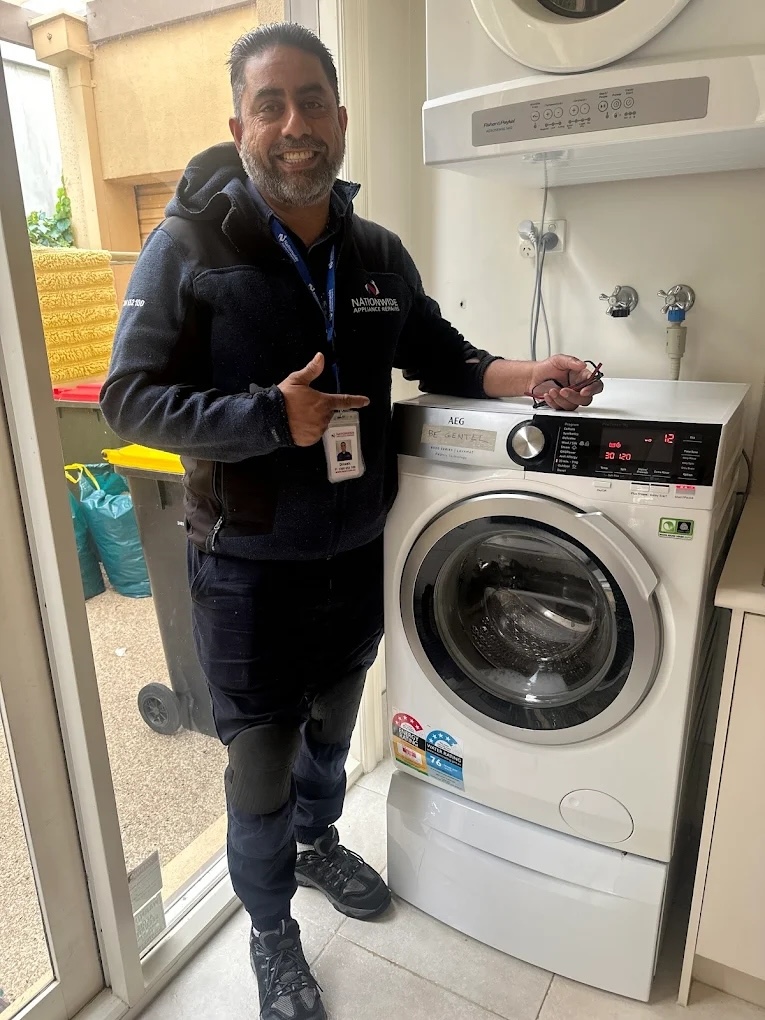
At Quality Appliance Repairs, each service begins with a structured diagnostic process. This allows the technician to assess the appliance condition, identify faulty components, and determine whether repair is a practical option.
Where appropriate, repairs are carried out to restore performance and extend the lifespan of the appliance. If replacement is the better option, this is clearly explained so you can make an informed decision based on the condition of the machine.
If you’re unsure whether your washing machine is worth repairing, you can learn more about our washing machine repair services or reach out to our retail support team, who can guide you through the booking process.
How to Extend the Lifespan of Your Washing Machine
Most washing machines in Australian households last around 10 to 12 years, depending on usage, maintenance, and build quality.
Higher-end models may last longer, while heavily used or lower-cost units may experience performance issues earlier. As appliances age, certain repairs may become less practical depending on overall condition.
Regular servicing and early intervention can help extend the appliance’s usable life and reduce the risk of major failures.
Final Thought
Washing machines can often be successfully repaired when faults are properly assessed. Replacement should only be considered after all viable repair pathways have been evaluated.
If your washing machine is showing signs of failure, arranging a professional inspection can help you clearly understand the issue and decide on the most practical next step.
Frequently Asked Questions
Is it worth repairing a washing machine or buying a new one?
Repairing a washing machine is often more cost-effective than replacing it, especially when the issue is isolated to a specific component.
A proper diagnosis helps determine whether repair is practical before committing to replacement.
How much does it cost to repair a washing machine in Australia?
Costs vary depending on the fault, parts required, and appliance model.
Most standard repairs fall within a general range of $150 to $450, depending on the issue. A professional assessment provides the most accurate estimate.
How long should a washing machine last?
Most washing machines last around 10 to 12 years, depending on usage and maintenance.
Higher-end brands may last longer, while heavily used machines may experience issues earlier.
What are the signs that a washing machine needs repair?
Common signs include:
- Water not draining
- Excessive vibration
- Unusual noises
- Failure to complete cycles
- Water leaks
These issues often indicate component-level faults that can be addressed if identified early.
Can a washing machine be repaired on the first visit?
Some faults can be resolved during the initial visit, particularly when they involve commonly used components.
If specific parts are required, a follow-up visit is arranged to complete the repair.